From the Bronx to the Runway: Hip-Hop's Enduring Influence on Fashion Culture
Explore hip-hop's transformative impact on global fashion culture. From Run-DMC's Adidas to today's luxury streetwear, discover how hip-hop reshaped what we wear and why it matters.
The relationship between hip-hop and fashion isn't just influential—it's foundational. What began as a cultural movement in the South Bronx during the 1970s has fundamentally reshaped global fashion, commerce, and our understanding of style itself. Today, you can't discuss streetwear, luxury fashion, or contemporary menswear without acknowledging hip-hop's pervasive influence.
This isn't a story of music borrowing from fashion or vice versa. It's the story of how a community created its own aesthetic vocabulary out of necessity, creativity, and defiance—and how that vocabulary became the dominant language of contemporary style.
The Origins: Style as Statement
Hip-hop emerged from communities that mainstream fashion ignored or actively excluded. Early hip-hop fashion was about making something from nothing—transforming accessible items into statements of identity and rebellion.
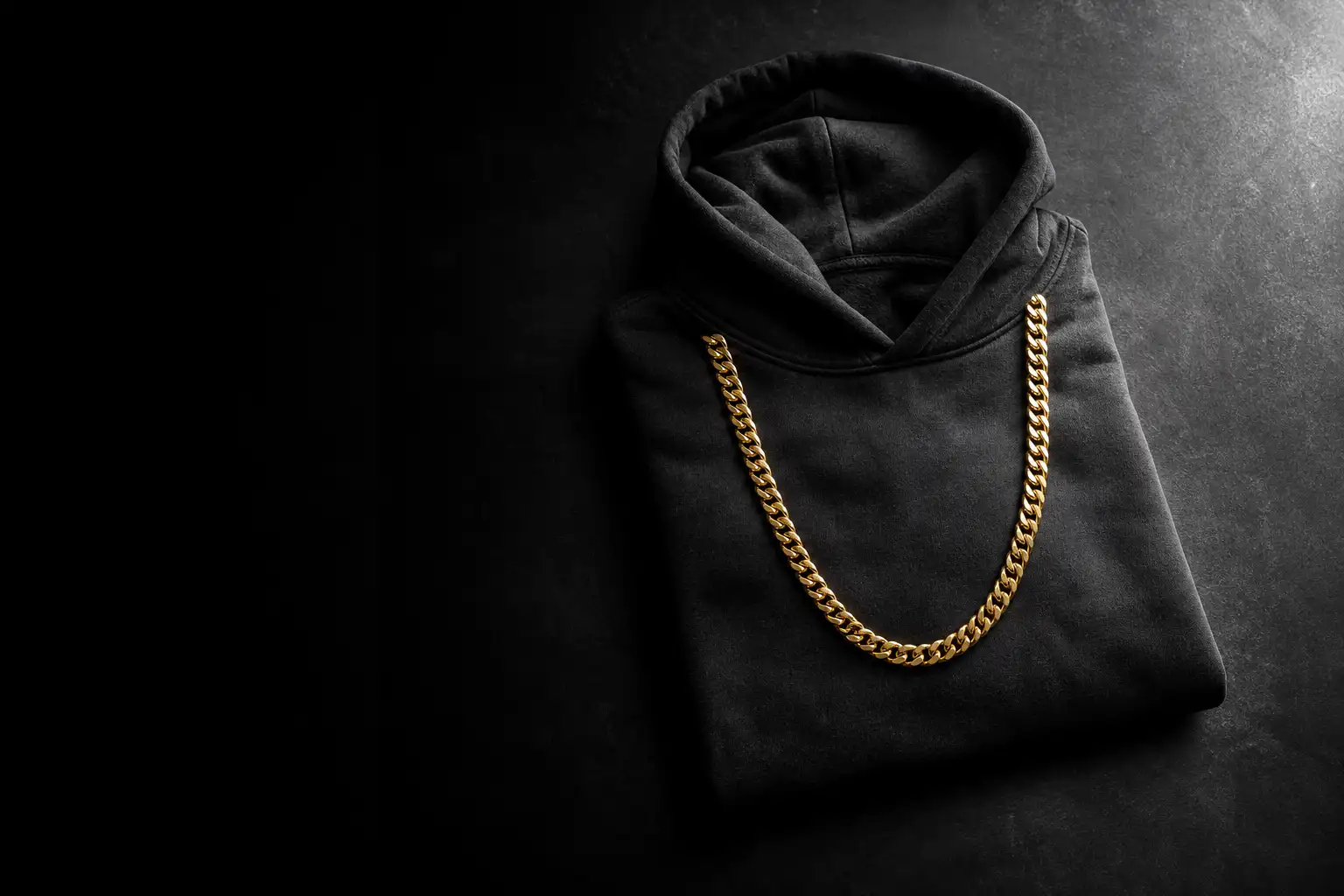
1970s-Early 1980s: The foundational elements emerged—Kangol hats, Adidas tracksuits, Cazal glasses, leather jackets, and gold chains. These weren't random choices; each item carried meaning. Adidas Superstars with no laces became iconic after Run-DMC's "My Adidas" in 1986, proving that hip-hop artists could move product and culture simultaneously.
Graffiti culture influenced bold graphics and color combinations. B-boys needed clothing that moved with breaking, leading to looser fits and athletic wear integration. DJs and MCs dressed to command attention in clubs and block parties. Form followed function, but function was broadly defined to include cultural signaling, community belonging, and individual expression.
The Golden Age: Hip-Hop Fashion Finds Its Voice
Late 1980s-Mid 1990s: Hip-hop fashion developed distinct regional identities. East Coast style emphasized Timberland boots, baggy jeans, oversized Champion hoodies, and Carhartt workwear—practical for New York winters but elevated to cultural uniform.
West Coast aesthetics incorporated Dickies, Pendleton flannels, Nike Cortez, and bandanas—influenced by Chicano culture and California climate. Southern hip-hop brought colorful excess, luxury brands, and flamboyant jewelry.
During this era, hip-hop artists began explicitly name-dropping fashion brands in lyrics, creating unprecedented marketing value. When Notorious B.I.G. rapped about Versace or Tupac mentioned Moschino, they weren't just flexing—they were reshaping luxury fashion's demographics and desirability.
""Hip-hop took brands that didn't want our business and made them aspirational. We forced fashion to reckon with Black culture not as inspiration to mine, but as consumers and creators with our own vision." — Cultural Commentary
"
The Luxury Turn: From Street to Suite
Late 1990s-Early 2000s: Hip-hop's relationship with luxury fashion intensified. Artists like Jay-Z, Diddy, and Pharrell didn't just wear high fashion—they negotiated their place within it, demanding recognition as tastemakers rather than just customers.
This period saw the rise of hip-hop moguls launching their own brands:
- Sean John (1998): Diddy's brand brought hip-hop aesthetics to department stores
- Rocawear (1999): Jay-Z and Damon Dash created a billion-dollar brand
- G-Unit Clothing (2003): 50 Cent capitalized on his music success
- Billionaire Boys Club/Ice Cream (2003): Pharrell and Nigo fused streetwear with luxury
These weren't celebrity endorsements—they were ownership stakes, proving hip-hop culture could build fashion empires, not just influence them.
The Contemporary Fusion: Hip-Hop as High Fashion
2010s-Present: The line between hip-hop culture and high fashion has essentially dissolved. Kanye West's journey from Nike to Adidas, culminating in the Yeezy empire, demonstrated that hip-hop artists could become fashion powerhouses rivaling established luxury houses.
Virgil Abloh's appointment as Louis Vuitton's Men's Artistic Director in 2018 was a watershed moment—a clear acknowledgment that hip-hop culture had produced one of fashion's most innovative minds. His Off-White brand bridged streetwear and luxury with quotation marks, zip ties, and deconstructed designs that owed everything to hip-hop's remix culture.
A$AP Rocky, Tyler the Creator, Travis Scott, and others aren't just wearing fashion—they're creative directors, collaborators, and influencers whose tastes drive billions in commerce. When Travis Scott collaborates with Dior or Cactus Jack, when Tyler launches Golf Wang, when Rocky partners with Dior, these aren't publicity stunts. They're acknowledgments that hip-hop perspectives drive contemporary fashion forward.
Key Elements of Hip-Hop's Fashion Philosophy
Hip-hop's approach to fashion introduced several principles that now dominate streetwear and beyond:
Remix Culture: Taking existing items and recontextualizing them. Whether it's oversized suits in the '90s or deconstructed luxury pieces today, hip-hop taught fashion to reinterpret rather than just recreate.
Logomania: Hip-hop normalized visible branding as status symbol and aesthetic choice. The logo-heavy trends of contemporary streetwear trace directly to hip-hop's embrace of brand display.
High-Low Mixing: Combining luxury items with accessible pieces—Gucci belt with thrifted denim, designer sneakers with no-name hoodies. This democratic approach to style mixing is fundamental to modern streetwear.
Personal Storytelling: Clothing as autobiography. Hip-hop artists use fashion to communicate origin stories, current success, and future aspirations—a narrative approach that informs how contemporary consumers think about style.
Community Over Corporation: Despite commercial success, hip-hop fashion maintains emphasis on authenticity and community credibility. A brand endorsed by the right artist or community carries more weight than any marketing budget.
Regional Styles and Cultural Specificity
Hip-hop fashion never homogenized—regional distinctions remain important:
New York: Timbs, workwear brands (Carhartt, Dickies), oversized fits, premium denim, and a gritty utilitarianism.
Los Angeles: Relaxed fits, vintage sportswear, sneaker culture, and sun-faded color palettes.
Atlanta: Bold colors, luxury emphasis, experimental silhouettes, and fashion-forward risk-taking.
Chicago: Midwest practicality meets creative expression—functional cold-weather gear elevated through styling.
Toronto: Canadian hip-hop fashion (OVO, The Weeknd) blends American influences with distinct northern sensibilities.
International: UK grime, French rap, Japanese hip-hop—each region adapts core hip-hop fashion principles to local context.
Hip-Hop Fashion's Cultural Impact
Beyond clothing, hip-hop reshaped how we think about fashion itself:
Democratization: Hip-hop proved that cultural capital matters more than economic capital. A well-styled outfit from accessible brands can carry more weight than ill-considered luxury pieces.
Authenticity Obsession: The streetwear industry's focus on "authenticity," "heritage," and "credibility" stems directly from hip-hop's emphasis on keeping it real.
Collaboration Culture: Today's endless brand collaborations trace to hip-hop's tradition of artists, brands, and designers working together across traditional boundaries.
Fashion as Music Video: Hip-hop pioneered visual merchandising through music videos, creating aspirational fashion imagery that luxury brands now emulate.
Sneaker Culture: While sneakers existed before hip-hop, the culture transformed them into art objects, investment vehicles, and primary status symbols.
The Money Getters Connection
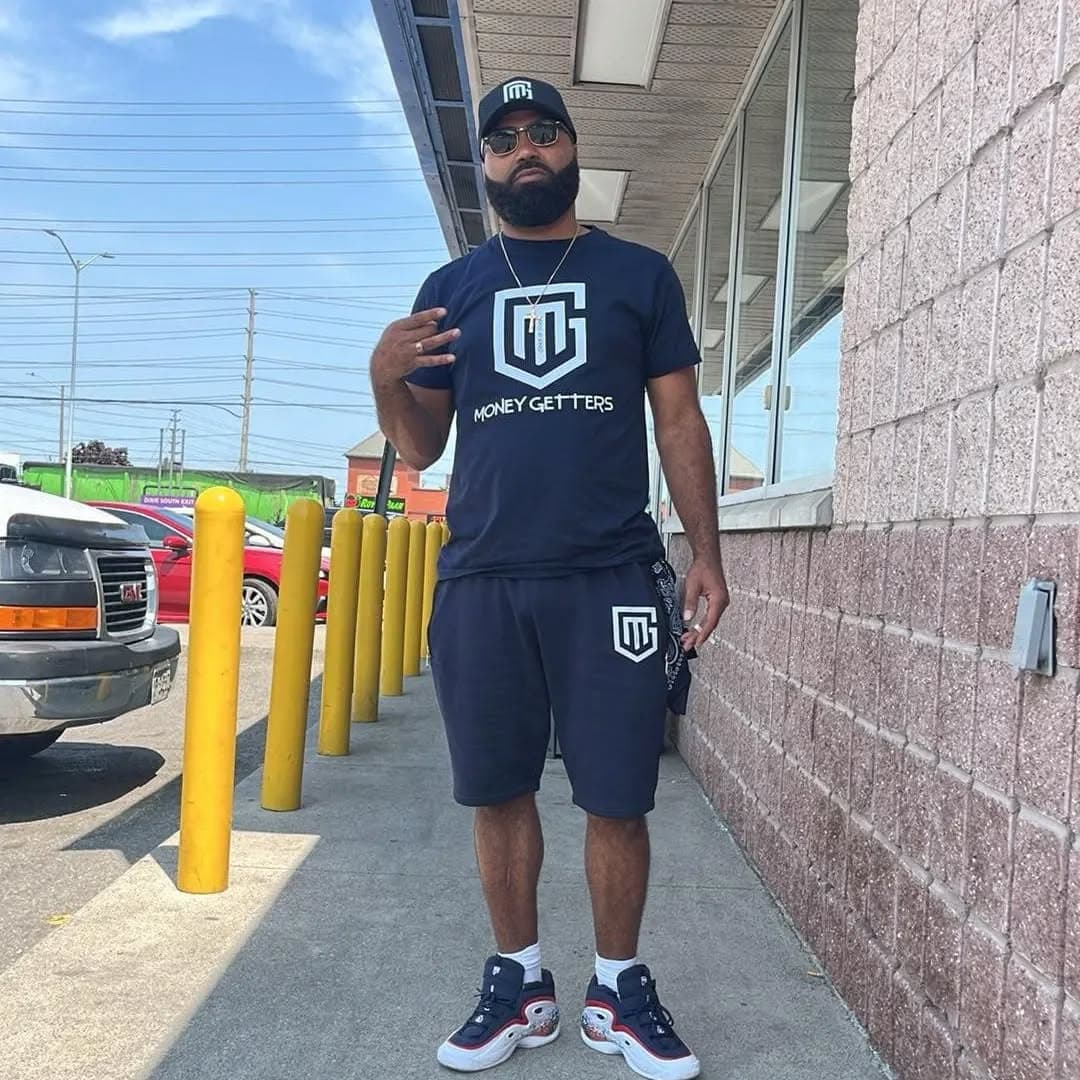
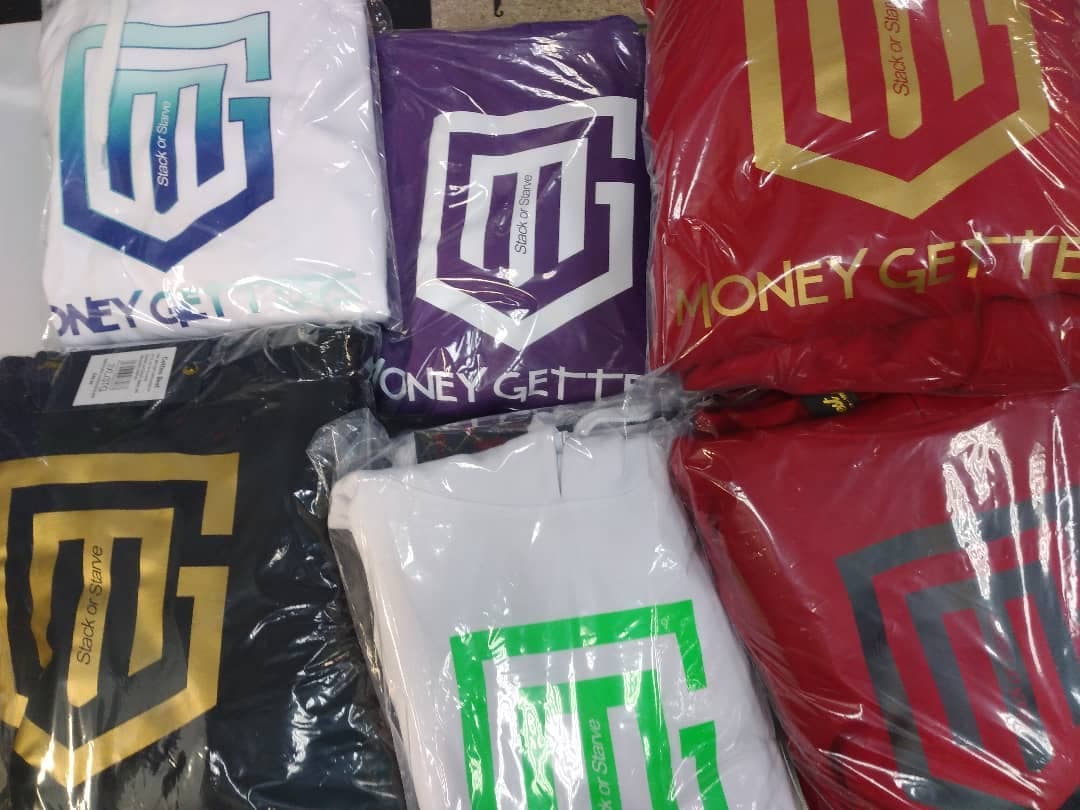
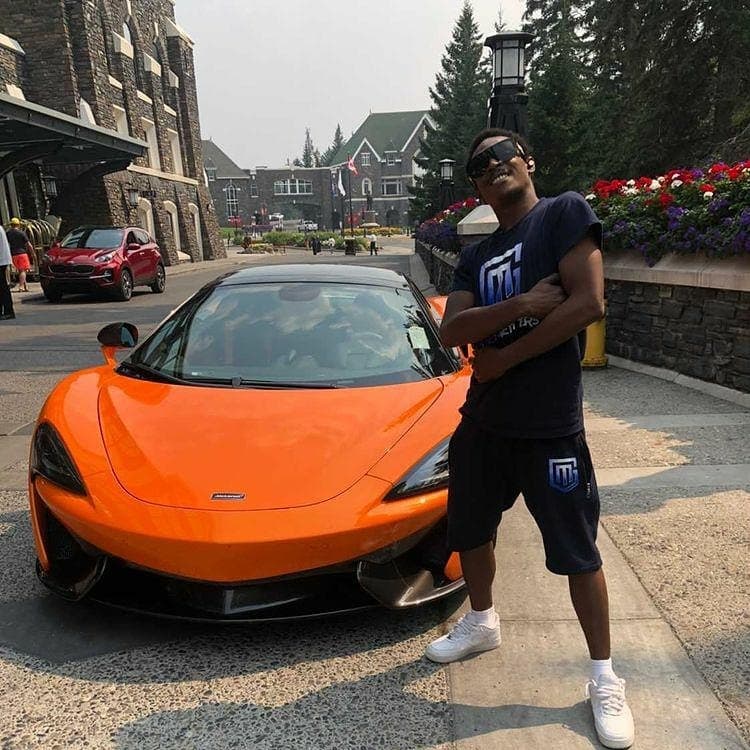
Understanding hip-hop's influence on fashion is essential to understanding brands like Money Getters. We're not appropriating hip-hop culture—we're building from its foundational principles:
Authenticity Over Hype: Hip-hop taught us that real recognizes real. Our focus on quality and community over manufactured scarcity reflects hip-hop's value system.
Hustle Mentality: The entrepreneurial spirit of hip-hop—building something from nothing, staying independent, controlling your narrative—informs everything we do.
Style With Substance: Hip-hop fashion always meant something beyond aesthetics. Similarly, Money Getters pieces are designed to represent ambition, authenticity, and the relentless pursuit of excellence.
Community First: Just as hip-hop emerged from and remains accountable to communities, we prioritize our Hamilton roots and the broader community that supports us.
The Future: Where Hip-Hop Fashion Goes Next
As we move through 2026, hip-hop's influence on fashion continues evolving:
Sustainability: Hip-hop's next frontier involves reconciling consumption culture with environmental responsibility. Artists and brands are increasingly emphasizing quality, longevity, and ethical production.
Ownership: Beyond endorsements and collaborations, expect more hip-hop artists owning production, distribution, and retail—controlling the entire supply chain.
Technology Integration: NFTs, virtual fashion, and digital collectibles represent hip-hop's latest remix—applying cultural principles to emerging platforms.
Global Dialogue: Hip-hop fashion increasingly incorporates global perspectives while maintaining cultural specificity. It's not about homogenization but cross-cultural conversation.
Lessons From Hip-Hop Fashion
What can we learn from hip-hop's transformation of fashion culture?
- Authenticity can't be manufactured: Real cultural connections matter more than marketing budgets
- Community validates style: Peer recognition beats critical acclaim
- Quality lasts longer than trends: Investment pieces outlive hype cycles
- Personal narrative matters: Clothing should tell your story, not someone else's
- Rules exist to be challenged: Innovation requires questioning established conventions
Conclusion: Culture Shapes Commerce
Hip-hop's influence on fashion isn't about specific garments or brands—it's about fundamentally reshaping who gets to define style, how we consume fashion, and what clothing can communicate. From the Bronx to Paris runways, from corner stores to luxury boutiques, hip-hop culture proved that marginalized communities don't just influence culture—they create it.
For brands like Money Getters, hip-hop's legacy is both inspiration and responsibility. We carry forward the principles of authenticity, quality, community, and hustle while building something that reflects our own moment and context.
The conversation between hip-hop and fashion continues evolving, but the core truth remains: real culture can't be bought, only built.
Stay true to the culture. Wear Money Getters. Explore Our Collection →
This article represents cultural commentary and historical analysis. Hip-hop fashion's story is still being written by artists, designers, and communities worldwide.